








In the Full Draft Takeoff Pack
Pricing Studio. Your prices on our quantities.
- Type your costs line by line, or one sub-quote for a whole trade — totals follow as you type
- A rate check on every line — a cost far outside our reference band is flagged before it reaches your quote
- See where the money is — cost build-up, the ten lines that carry the value, a what-if slider for margin and waste
- Print your proposal on your letterhead, and write your prices into the Excel workbook
Inside the sample Studio Six trade tabsthree lines each in the sample; your package carries every measured line18 lines
 Site costs, markup & taxyour overheads and margin, each on its own tab2 tabs
 Your Excel and the proposalwrite your prices into the workbook, print the quoteoffline
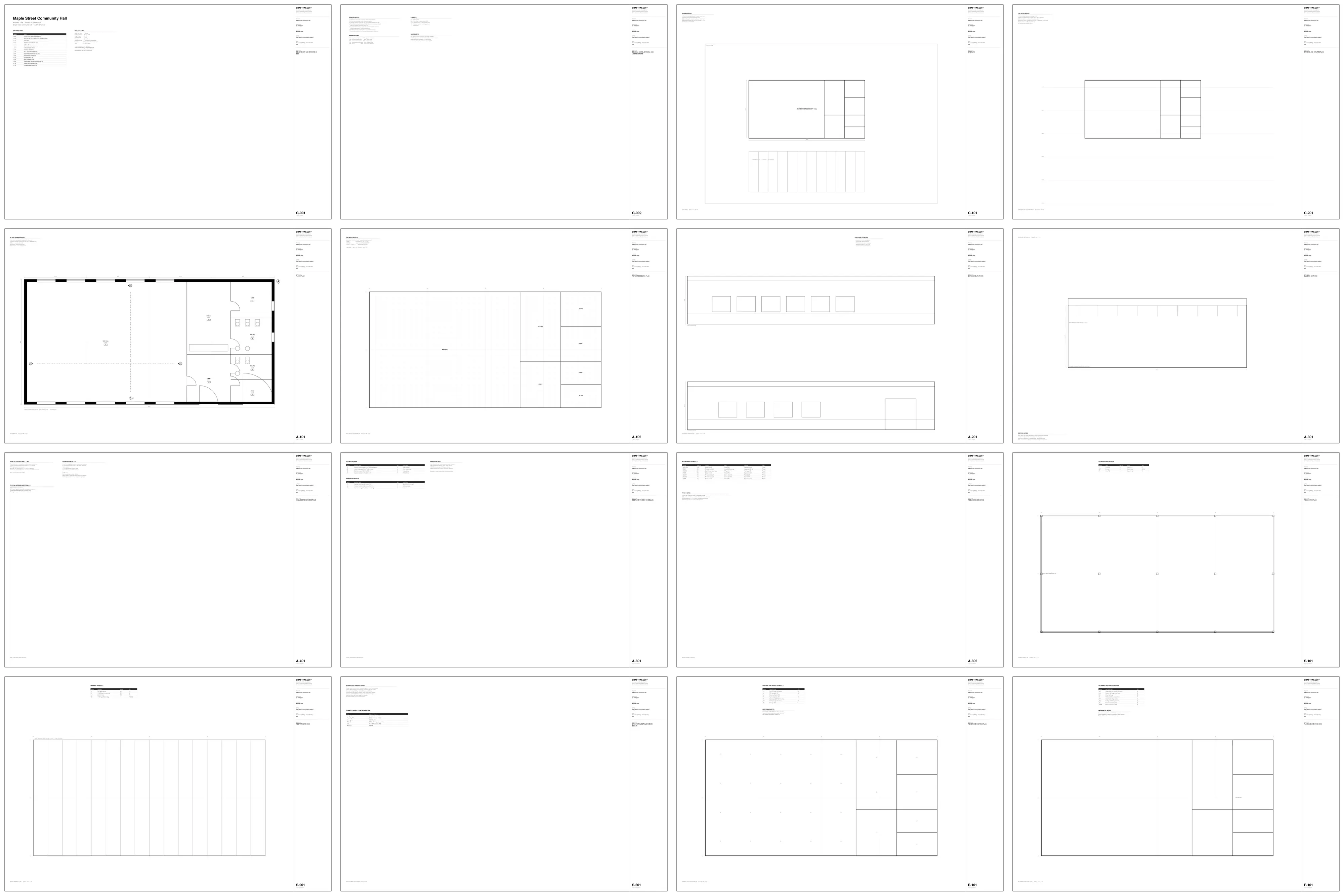
Six trade tabsthree lines each in the sample; your package carries every measured line18 linesSite costs, markup & taxyour overheads and margin, each on its own tab2 tabsYour Excel and the proposalwrite your prices into the workbook, print the quoteofflineMaple Street Community Hall sample. The costs in it are illustrative figures invented for the demonstration — type over any of them. On an order the cells start blank, or with published reference rates if you chose them.
Try the sample Studio Three lines a trade, priced at illustrative figures you can type over.